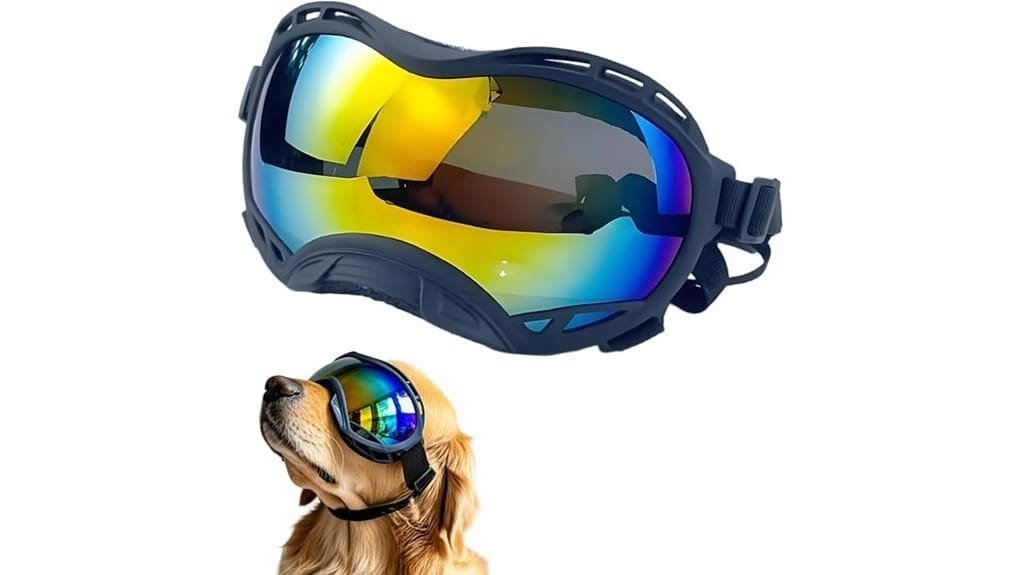
You’ll want goggles that block >99% UVA/UVB, use shatterproof anti‑fog polycarbonate, and seal with contoured hypoallergenic foam to reduce wind, dust, and photokeratitis risk. Measure head circumference, interocular distance, and neck to pick medium (11–15 in) or large (15–20.5 in) and prioritize adjustable head and chin straps for a snug, even seal without pressure points. Verify UV spectrophotometry and wind/splash test data; keep trial fits short to monitor comfort and fit — more specifics follow.
Some Key Takeaways
- Choose goggles with shatterproof, anti-fog polycarbonate lenses that block >99% UVA/UVB for long-term eye protection.
- Prioritize sizes matching head circumference (large: 15–20.5 inches) and adjustable straps for a snug, non-compressive seal.
- Look for contoured hypoallergenic foam padding and replaceable components to minimize abrasion and moisture buildup.
- Validate performance via wind, UV, and splash testing results; prefer models proven stable at 10–40 mph and splashproof.
- Trial short wear sessions and veterinary consultation for preexisting eye conditions; discontinue if irritation or distress appears.
How Dog Goggles Protect Large Breeds : When and Why to Use Them
Although dogs can tolerate many outdoor conditions, your large-breed companion still needs targeted eye protection when exposed to UV light, wind, dust, or debris. You’ll reduce acute corneal injury risk and cumulative photokeratitis by using protective goggles during sun exposure, high-speed travel, or dusty environments. Evidence supports barrier protection to limit particulates and UV transmission, improving long-term ocular health. You should pair gradual behavioral training with PPE introduction and seek veterinary consultation for preexisting eye disease. Use goggles selectively for activities with known hazards; monitor fit and comfort, and stop use if irritation or distress appears. Consider also choosing accessories designed for coastal adventures to match beach-ready leashes and other outdoor gear.
Which Fit and Size Matter Most : Measuring Your Dog and Choosing Medium vs. Large
Measure your dog’s head carefully before selecting goggles, since proper fit minimizes slippage, pressure points, and vision obstruction. Use a flexible tape to record head circumference, distance between eyes, and neck measurements to confirm strap and chin fit. Compare measurements to size charts: medium fits head circumference 11–15 inches, large 15–20.5 inches. Consider weight considerations as a secondary guide for breed musculature and strap tension. You’ll prioritize a snug, even seal without excessive compression. Trial fittings and short wear sessions provide objective feedback on fit; adjust straps incrementally and reassess for secure, comfortable alignment. For sunny outdoor adventures, consider a pet tent or shaded area to reduce glare and provide safe rest between outings with beach-ready pet tents.
Safety & Comfort Features to Prioritize : Lenses, Straps, Padding, and Materials
When selecting goggles, prioritize features that directly reduce ocular risk and maximize wearability: shatterproof, anti‑fog polycarbonate lenses with UV protection prevent impact, particulate, and photic injury; adjustable elastic head and chin straps distribute tension to prevent focal pressure and slippage; and contoured soft foam padding creates a breathable seal that minimizes abrasion and moisture buildup. You should verify lens coatings for scratch resistance and UV attenuation, inspect strap adjusters for secure, incremental tightening, and confirm materials are non‑irritant, lightweight PVC and hypoallergenic foam. Prioritize predictable fit, replaceable components, and evidence‑based features that support long‑term ocular health and group inclusion. Consider also selecting designs that complement beach activities and come with sand‑resistant finishes.
Performance in Real Life : Wind, Sun, Water, and Active-Use Testing
Because real-world conditions expose canine eyes to variable forces and light, evaluating goggles requires controlled and field-based tests that quantify wind resistance, UV attenuation, water sealing, and performance during vigorous activity. You’ll run wind tunnel trials to measure drag and strap stability at 10–40 mph, record UV transmission with spectrophotometry to confirm >99% UVA/UVB blocking, and assess splash resistance with calibrated sprays. Fit is validated during off-leash runs, pack hikes, and vehicle trials to monitor slippage, fogging, and abrasion. Report results numerically, note failure modes, and recommend adjustments so you and your community can choose confidently. Also include comparisons to related outdoor eye protection products such as full face snorkel masks to contextualize performance across beach and water environments.
Which Goggles to Buy Now : Recommended Picks and Who Each One Suits
Although no single goggle fits every dog or activity, the models below were selected based on quantified performance (wind, UV, splash), fit range, and durability for medium-to-large breeds; use the recommended size chart and adjustability features to match your dog’s head circumference and nose bridge for peak protection. Choose Model A (large size) for sustained wind resistance and anti-fog reliability—ideal for motorcycling and long car rides. Pick Model B for balanced UV blocking and softer padding—better for hiking and daily wear. Model C offers maximum splashproofing for water activities. Note verified celebrity endorsements and periodic seasonal discounts when purchasing. Many owners pair goggles with beach-ready pet carriers to protect pets during sunny outdoor adventures.
Some Questions Answered
Can Dogs Wear Goggles Long-Term Without Skin Irritation?
Yes — you can have dogs wear goggles long term with minimal skin reactions if you monitor fit and hygiene closely. You’ll make certain long term comfort by using adjustable straps, soft foam padding, and breathable materials, checking for redness, chafing, or hair loss daily. Rotate breaks, clean lenses and straps regularly, and replace worn parts. If you spot persistent skin reactions or behavioral signs of distress, consult a veterinarian promptly.
Are Replacement Lenses or Parts Available for These Goggles?
Yes — replacement parts are available for many models, and you can order replacement lenses when needed. You’ll want to verify lens compatibility with the specific model and size before purchasing; manufacturers usually list compatible lens types and mounting details. Use original or certified parts to maintain shatterproof, anti-fog, waterproof performance. If unsure, contact the seller for part numbers and fit guidance so you’ll keep your dog safe and included on every outing.
How Do Goggles Affect a Working Dog’s Performance or Training?
You’ll generally maintain task focus while wearing goggles, though initial acclimation may slightly slow response times. Evidence suggests properly fitted goggles preserve movement mechanics by preventing squinting or head aversion that would alter gait or tracking. You should train progressively, monitor comfort and vision clarity, and adjust straps to avoid pressure points. With consistent, positive conditioning, your working dog will feel included and perform reliably in protected, outdoor environments.
Can Dogs Swim or Dive While Wearing These Goggles?
Yes — you can let your dog swim or dive while wearing these goggles, but supervise closely. The goggles offer water resistance and shatterproof, waterproof lenses that protect eyes from debris and chlorinated or salt water. For dive safety, make certain straps are snug, foam seals intact, and your dog tolerates them during graded exposure training. Monitor for leaks, discomfort, or impaired vision and remove immediately if performance or breathing is affected.
Do Colored Lenses Impact UV Protection or Visibility?
Yes — colored lenses don’t inherently reduce UV protection; you’ll still get UV shielding if the lens material and coating block UV. Lens tinting mainly affects visible light transmission and glare reduction: darker or polarized tints cut glare and improve contrast in bright conditions, while lighter tints preserve visibility in low light. You’ll want to confirm the product’s UV rating, but you can expect comfort and shared confidence wearing tinted, glare-reducing lenses.